Projects
Analytical Chemistry Lab
Built an analytical chemistry lab and decision-support pipeline for evaluating plant material, metabolite composition, and production outcomes.
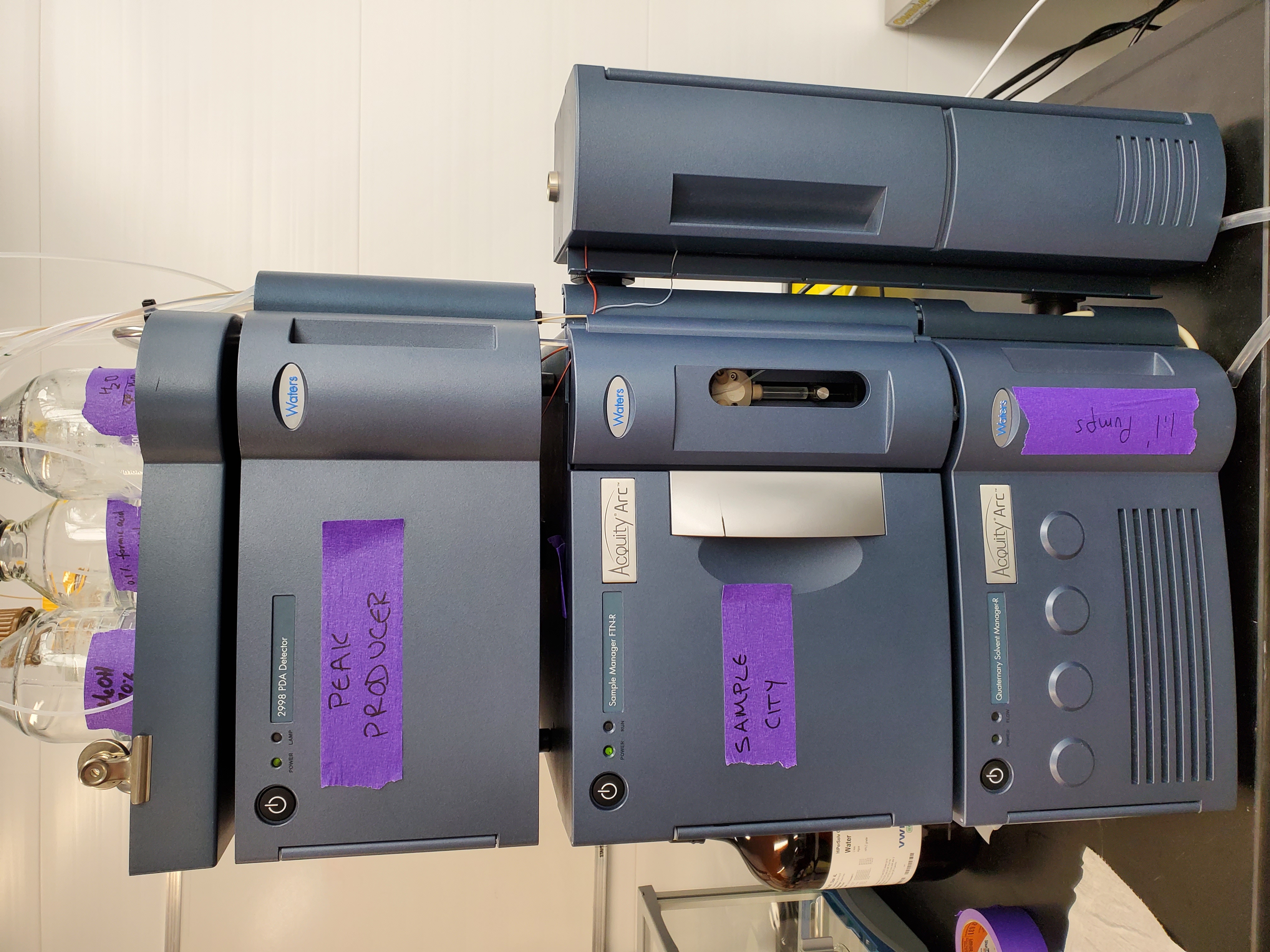
This work covered the less glamorous but essential side of technical infrastructure: designing a usable lab, getting the right equipment in place, and taking instruments through qualification so the analytical work had a stable foundation.
The practical outcome was not just a working lab. It was a pipeline for turning chemical data into faster internal decisions about cultivation conditions, metabolite outcomes, and the characterization of the genetic library.
Problem shape
Analytical chemistry is easy to treat as a support function that produces reports after the fact. The more useful version is much closer to operations: get chemical data quickly enough, and in a clean enough form, that it can feed back into cultivation choices and help interpret the effects of process changes.
That meant the lab needed to be more than installed. It needed to be qualified, repeatable, and tied into the broader cultivation and genotype evaluation workflow as a practical feedback loop.
What I worked on
- Lab design, equipment procurement, setup, and qualification
- Installation and qualification of the Waters Acquity ARC uHPLC platform
- Method development for simultaneous quantitation of multiple compounds
- Building the internal workflow for evaluating plant material, chemical composition, and productivity
- Integrating analytical results into faster decision-making around cultivation conditions and metabolite outcomes
System value
The useful part was not only measuring compounds accurately. It was connecting those measurements to the rest of the operation.
Once the analytical pipeline was in place, it became easier to evaluate how changes in cultivation conditions affected metabolite composition, compare outcomes across material sources, and characterize the genetic library more rigorously. That made the chemistry work part of an operational feedback loop rather than a disconnected lab exercise.
Technical decisions
- Waters Acquity ARC uHPLC workflows
- Qualification-oriented setup rather than informal instrument adoption
- Method development and validation support for repeatable quantitation
- Workflow design that supported routine use rather than one-off analysis
- Documentation and operationalization of lab procedures
The common thread was turning expensive instrumentation into a usable operating capability. The interesting part was not owning an HPLC. It was building the surrounding process that made the chemistry data timely, comparable, and decision-relevant.
Why it matters
This project supports the same broader pattern as the rest of the site: instrumentation becomes much more valuable when it is integrated into an operational decision loop.
In this case, the lab helped connect plant material, metabolite composition, and productivity in a way that strengthened both cultivation decisions and genetic characterization.